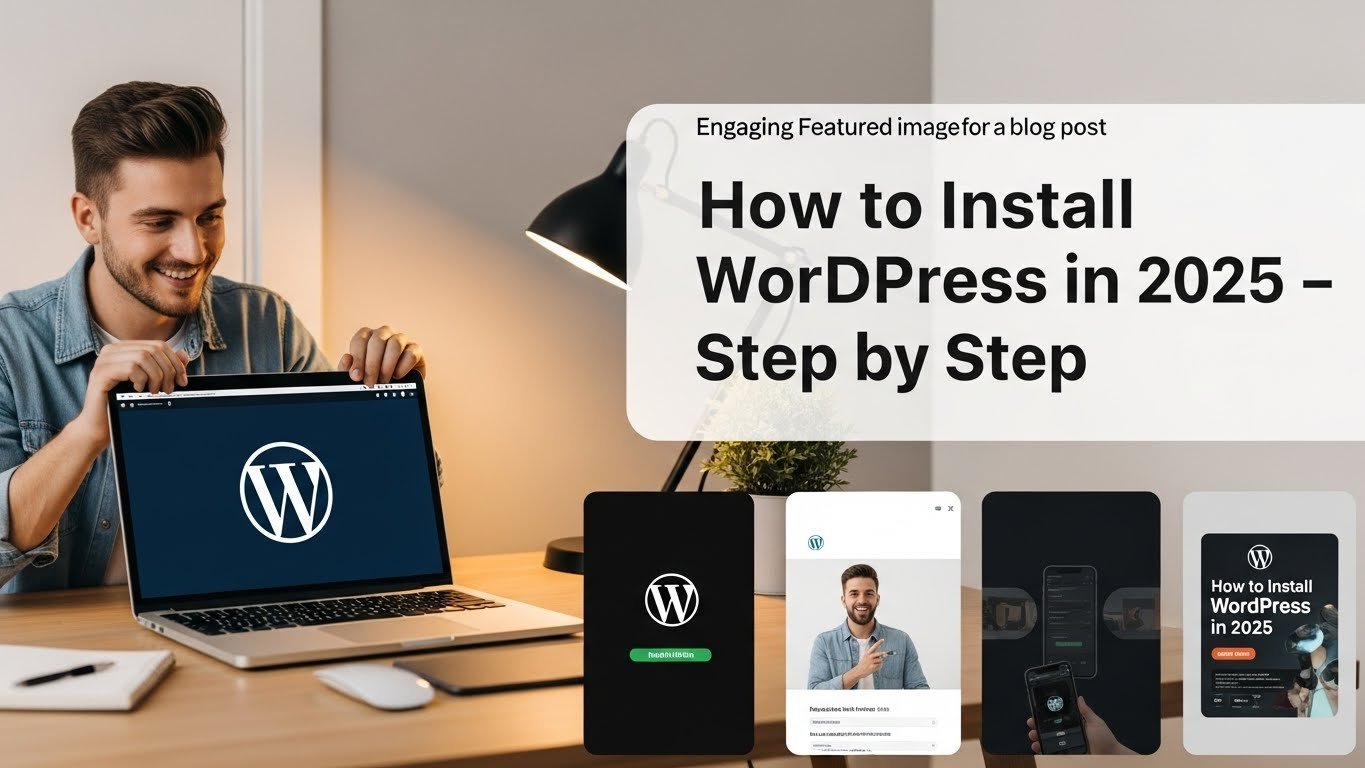
How to Install WordPress: 7 Easy Step-by-Step Rules for 2026
Launching a self-hosted platform shouldn’t feel like navigating a complex system terminal. Modern server setups provide automated environments to map out web nodes instantly.
Learning how to install wordpress cleanly stands as the absolute foundation for scaling independent web assets and testing high-converting ai business ideas in 2026. When creators configure server-side installations without proper security parameters, their control dashboards become vulnerable to brute-force script attempts. If you are developing interactive client portals—such as deploying a dynamic web-based password generator block—securing the root database directory from the very first setup stage ensures your administrative access links remain completely uncompromised.
If you are unfamiliar with managing local storage access or backend logic pools, explore our structural guide on top 10 password managers guide properties to see how automated vaults protect master key configurations smoothly.
📋 how to install wordpress Installation Process Navigation Blueprint:
Step 1: Choose the Right Hosting for Your WordPress Site
Before you can unpack the core application files, your platform needs an allocated hardware partition on a secure web server. Premium hosting services act as the structural plot where your content databases reside safely. Selecting a hosting provider that supports quick one-click script execution cuts down on manual configuration time considerably.
- 🔹 Entry Recommendations: Providers like Bluehost or SiteGround offer specialized managed options containing integrated optimization configurations for production speed.
- 🔹 Performance Tuning: Reliable servers improve your organic search indexing metrics while keeping script latency incredibly low.
Step 2: Download the Latest WordPress Files
To initiate a manual installation loop, you must retrieve the verified application distribution from the root repository source.
- Navigate directly to the official storage portal at WordPress.org Download Node.
- Fetch the stable zip archive containing the 2026 core architecture setup.
- Unpack the archived folder onto your local machine to expose core files like
wp-adminandwp-content.
🧱 Securing Automated Content Environments and Systems
Many modern webmasters utilize high-performance ai tools to make money, manage multi-tier affiliate panels, or produce mass video creatives automatically. While learning how to make money with ai applications saves hundreds of development hours, it also increases your exposure to malicious server scanning scripts. If your main content directory relies on standard database credentials, malicious bots can easily hijack your active digital assets. Combining specialized ai tools for earning online alongside a localized password generator random script helps you earn money using ai assets securely, keeping your backend access panels fully isolated from credential compromise while testing new ai side hustle tools.
Step 3: Set Up a Database for WordPress
The application core requires a dedicated data environment to store post arrays, user metadata tables, and theme preferences.
- Log in to your server dashboard and access the MySQL Database Wizard section.
- Initialize a new table structure and register a secure database user node.
- Grant full structural privileges to the registered user and save your login records safely.
Step 4: Upload Files and Run the WordPress Installer
With your database ready, use a secure FTP client like FileZilla to move the core application folder structures onto your active server.
- Establish an FTP connection with your host and upload the files to the root directory (typically
public_html). - Load your target URL in any modern browser to launch the automated setup interface.
- Input your MySQL database strings, assign a strong administrator name, and set a complex password parameter.
💻 Testing Local Server Environments
To test themes or verify script logic safely without modifying live code, developers frequently run installations on a local workstation using software like XAMPP or Local WP. Simply move the extracted files into your local htdocs directory and configure your databases via local phpMyAdmin panels.
🛡️ Mitigating Credential Leakage in Production Dashboards
As your automated earning networks grow and start processing active client sessions, safeguarding your administrator login pathways becomes a critical security priority. Cyber analysts warn that recycling common passwords across production databases often leads to total site takeovers. Managing your primary operational credentials inside a hardened, zero-knowledge password generator lastpass application ensures your system dashboards remain completely safe from remote scanning loops.
⚠️ System Compliance Administrative Directive:
Every production platform require human oversight to maintain proper security baselines. To verify international regulations regarding commercial data handling, user authorization safety, and secure script deployments, review the official documentations managed by the Federal Trade Commission (FTC) Safety Portal or audit security parameters inside the official MDN Web Docs Software Engineering Frameworks.
Optimize and Secure Your Digital Content Infrastructure
Do not let weak admin passwords compromise your automated income platforms. Generate secure, high-entropy access parameters instantly.
💬 Frequently Asked Questions (WordPress Architecture)
Does running custom monetization automation require advanced programming expertise?
No. Modern platforms allow users to scale their operations with minimal code. Combining the **best ai tools for income** with pre-configured plugins lets you set up high-converting systems cleanly and efficiently.
What is the safest way to recover from an installation connection error?
Database connection errors typically mean your MySQL login strings are mismatched. Recheck your configuration details inside your hosting control panel and update your wp-config.php file parameters to resolve the conflict.